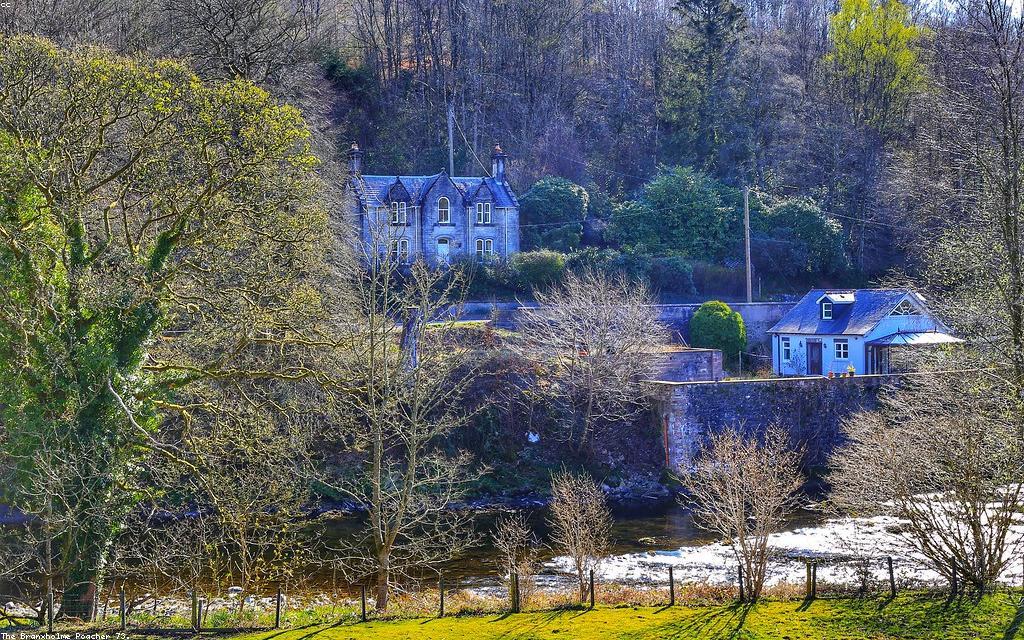
The location of a cottage shapes a holiday more than almost any other booking decision. The same week away can feel restful or frustrating depending on whether the cottage sits a short stroll from a village pub or forty minutes of single-track lane from the nearest shop. Before you fall for the photographs, it pays to think clearly about the kind of trip you actually want, and then choose a setting that delivers it.
Start with the rhythm of your trip, not the view
It is tempting to chase the most dramatic scenery available, but the view from the window is only one part of the experience. Far more important is the daily rhythm you imagine. Do you picture lazy mornings with nowhere to be, long walks straight from the door, and evenings spent reading by a wood burner? Or do you want a base for sightseeing, with museums, markets, and restaurants within easy reach? These are genuinely different holidays, and they call for different locations.
A remote hillside cottage rewards people who are content to slow down. If your group includes someone who gets restless without a coffee shop and a bit of bustle, that same isolation can feel like a punishment by day three. Be honest about the temperament of everyone travelling, including children and older relatives, before committing to somewhere genuinely off the beaten track.
Understand what rural really means for daily life
Listings love the word secluded, and seclusion is wonderful right up to the moment you realise you have forgotten the milk. In a true countryside location, a forgotten ingredient can mean a thirty-minute round trip on roads you would rather not drive after dark. Before booking, look honestly at the practicalities of the setting:
- How far is the nearest shop that sells fresh food, and what are its opening hours?
- Is there a pub or restaurant within walking distance, or will every evening out require driving and therefore a designated driver?
- What is the road like for the final approach? Narrow lanes, fords, steep gradients, and unmade tracks all matter, especially in poor weather or with a low car.
- Is there mobile signal and reliable connectivity? This matters not only for work but for navigation, emergencies, and keeping younger travellers content on a wet afternoon.
None of these are reasons to avoid the countryside. They are simply factors to plan around. A genuinely remote cottage can be the best holiday of your life if you arrive prepared, with a full boot of supplies and realistic expectations.
Match the setting to the season
A location that sparkles in July can feel very different in February. Coastal cottages that are alive with activity in summer often sit beside shuttered cafes and empty car parks out of season, which is either blissful or bleak depending on your mood. Upland and moorland settings can be cut off by snow or made impassable by mud. Riverside spots are idyllic until heavy rain raises the question of flooding.
Think about what you will realistically do given the weather you can expect. In the depths of winter, a cottage within striking distance of a town with indoor attractions, cosy pubs, and a cinema gives you a fallback when the rain sets in. In high summer, proximity to water, woodland shade, and outdoor space becomes far more valuable.
Weigh proximity to attractions against peace and quiet
There is a constant trade-off between convenience and tranquillity. Cottages in or near popular towns and honeypot villages put everything within reach, but you pay for it in foot traffic, parking pressure, and noise during peak weeks. Properties a few miles out often cost less, feel calmer, and still allow a short drive to the attractions, provided you are happy to plan your days rather than wander out on a whim.
A useful approach is to identify the two or three things you most want to do, then find a cottage that sits within a comfortable radius of all of them rather than right on top of one. A central base of twenty minutes from several places usually beats a cottage on the doorstep of a single attraction you will visit only once.
Consider the immediate surroundings, not just the postcode
Two cottages in the same village can offer wildly different experiences. One might back onto open fields with a private garden; the other might share a wall with a holiday let that hosts boisterous groups. The listing photographs rarely show what lies just outside the frame, so look at satellite imagery and street-level views where available. Check whether the property sits beside a busy road, a working farm with early machinery, or a car park that fills up at weekends.
For families, a safe, enclosed outdoor space can be the difference between a relaxing week and constant vigilance. For couples seeking romance, privacy from neighbouring properties matters more than acreage. Read the small print about shared access, parking arrangements, and whether the cottage is part of a larger complex of lets.
Think about how you will get there and around
Access shapes the whole trip. If you are travelling without a car, a cottage reachable by train and a short taxi opens up a holiday that would otherwise be impossible, but you will be reliant on local services for everything once you arrive. If you are driving, factor in the length of the journey, especially with young children or pets, and consider breaking a long trip rather than arriving frazzled.
Once on site, ask how you will reach the things you want to do. A walkable village means you can leave the car parked and relax. A car-dependent location means every outing involves loading up and driving, which suits some people and exhausts others. Matching the transport reality to your group’s appetite for driving is one of the most overlooked parts of choosing well.
Bringing it all together
Choosing a cottage location is really an exercise in self-knowledge. The perfect setting for a hiking-mad couple is a poor fit for grandparents who tire easily, and a brilliant base for a sightseeing family may be far too busy for someone craving silence. Decide first what shape you want your days to take, then test each candidate cottage against that vision: the practicalities of supplies, the realities of the season, the trade-off between convenience and calm, and the honest character of the immediate surroundings. Get the location right and almost everything else falls into place. Get it wrong, and even the most beautiful cottage cannot rescue the week.