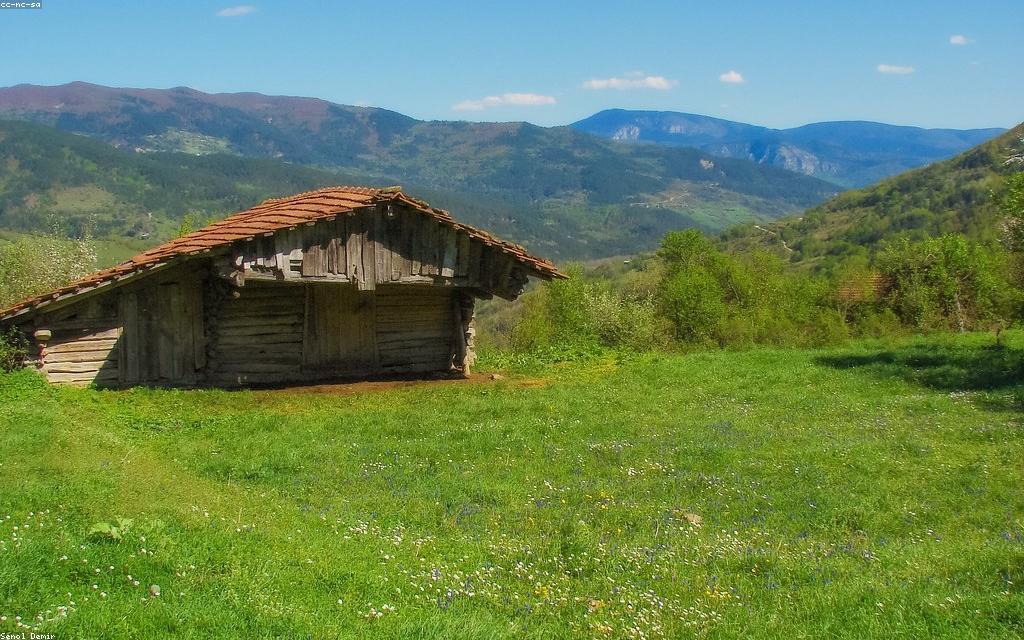
A cottage is not a hotel, and that difference cuts both ways. You gain privacy, space, and the freedom to live as you please, but you also take on a measure of responsibility that hotel guests never have to think about. How you treat a holiday cottage, and the state in which you leave it, matters more than many guests realise. Good cottage etiquette is partly about courtesy, partly about practicality, and increasingly about protecting your own deposit and reputation.
Read the welcome information properly
Almost every cottage comes with a folder, booklet, or set of notes left by the host, and it is tempting to ignore it in the rush to start the holiday. That is a mistake. The welcome information typically contains exactly the things you will need to know: how the heating and hot water work, where the stopcock and fuse box are, how to operate an unfamiliar oven or wood burner, the rules for bins and recycling, and what to do if something goes wrong.
Reading it on arrival saves a great deal of bother later. It means you are not phoning the host at nine in the evening to ask how to get hot water, not putting recycling out on the wrong day, and not damaging an appliance through misuse. Hosts go to real trouble to compile this information, and treating it as the useful resource it is marks you out immediately as a considerate guest.
Respect the property and its quirks
Holiday cottages are often old, characterful, and full of features that are charming precisely because they are not modern and robust. Original beams, antique furniture, flagstone floors, and period fittings all need a gentler touch than the hard-wearing surfaces of a chain hotel. Treating the cottage as you would a friend’s home rather than an anonymous room is the right instinct.
That means a few simple courtesies. Use coasters and chopping boards rather than putting hot pans and sharp knives straight onto surfaces. Take care with fragile or valuable items, and if you would rather not worry about a delicate ornament, move it carefully somewhere safe and put it back before you leave. Report any accidental damage honestly rather than hiding it, which most hosts respond to with far more grace than they would to a broken item discovered after you have gone.
Be a good neighbour
Many cottages sit close to other homes, whether neighbouring lets, the host’s own house, or the permanent residents of a small village. The peace that drew you to the area is the same peace those neighbours live with year-round, and a noisy holiday group can shatter it. Keeping noise reasonable, especially late at night and early in the morning, is basic courtesy that costs you nothing.
This is particularly important in the quiet of the countryside, where sound carries far further than in town and there is little background noise to mask it. Be mindful of parking too, taking only your allotted space and never blocking lanes, gateways, or neighbours’ access. A working farm may need to move vehicles and machinery at unsociable hours, and respecting that reality is part of staying graciously in someone else’s community.
Understand what leaving it well actually requires
Most cottages are professionally cleaned between guests, so you are not expected to leave the place spotless. But there is a clear difference between normal use and leaving a mess, and the cleaning fee does not cover the latter. A good guest leaves the cottage tidy and reasonable, which usually means attending to a handful of straightforward things before departure:
- Wash up, empty the dishwasher, and put crockery and pans away, or load and run the dishwasher if asked.
- Remove all your food from the fridge, freezer, and cupboards, and take or bin anything perishable.
- Deal with the rubbish and recycling according to the host’s instructions rather than leaving overflowing bins.
- Strip beds only if the welcome notes ask you to, and gather used towels in the place requested.
- Return any furniture you moved to its original position and put back anything you borrowed.
None of this takes long, and the small effort is repaid in a clean conscience, a returned deposit, and a warm relationship with a host who may welcome you back.
Follow the house rules, even the inconvenient ones
Cottages come with rules, and while the occasional one may seem fussy, most exist for good reason. A no-smoking policy protects soft furnishings and the next guest’s enjoyment. Restrictions on candles or open flames guard against fire in an old building. Limits on the number of guests reflect the property’s capacity, its septic system, and often its insurance. Rules about pets, parties, and check-out times keep the whole operation running fairly for everyone.
Following these rules, even when nobody is watching, is simply the right thing to do, and it protects you as well. Breaching them can cost you your deposit, cut a holiday short, or leave you liable for damage, and quietly inviting extra guests or sneaking in a pet against the rules is exactly the sort of thing that sours an otherwise happy stay. If a rule genuinely will not work for you, the time to raise it is before booking, not after arrival.
Leave honest, fair feedback
The cottage rental world runs on trust and reviews, and leaving thoughtful feedback is part of being a good guest. A fair, specific review helps future guests choose well and helps good hosts thrive. If your stay was excellent, say so and say why, mentioning the touches that made a difference. If something fell short, raise it first with the host during your stay so they have a chance to put it right, and only then reflect it proportionately in a review.
What is unhelpful is the furious, exaggerated review left without warning over a problem the host could easily have fixed, or the perfect five stars that glosses over real issues. Honest, measured feedback respects both the host and the next guest, and it is the natural conclusion of a stay approached in good faith throughout.
The simple principle behind it all
Cottage etiquette comes down to a single idea: treat the property and its surroundings as you would want a guest to treat your own home. Read the information left for you, respect the building and its quirks, be considerate of neighbours, leave the place tidy, follow the rules, and give honest feedback. Do all that and you protect your deposit, earn a warm welcome back, and play your small part in keeping the world of holiday cottages a pleasant place for everyone who comes after you.