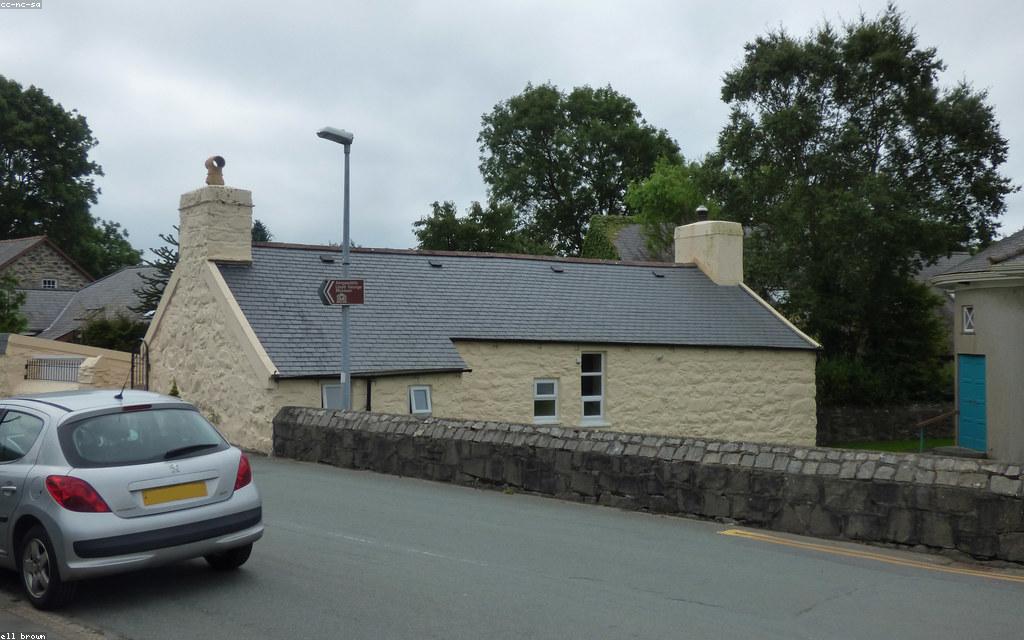
A self-catering cottage is not a hotel, and packing for one is a different exercise altogether. There is no front desk to call for a forgotten toothbrush, no housekeeping to top up the tea, and often no shop close enough to rescue a missing essential at short notice. The freedom of having your own space comes with the responsibility of bringing what you need, and a little forethought turns a potentially fiddly arrival into a smooth one.
Find out what the cottage already provides
The single most useful thing you can do before packing is to establish exactly what the property supplies. Listings vary enormously, and assumptions are dangerous. Some cottages provide everything down to dishwasher tablets and a welcome basket; others give you four walls, a kettle, and little else. Before you start filling bags, confirm the answers to a few key questions:
- Are bed linen and towels included, or are you expected to bring your own?
- Is there a starter supply of basics such as toilet roll, washing-up liquid, tea, coffee, and salt, or none at all?
- Does the kitchen have the equipment you rely on, or will you need to improvise without a sharp knife, a decent pan, or a corkscrew?
- Is firewood provided for the wood burner, or must you buy or bring it?
- Are beach or garden extras such as towels, chairs, and games available, or is the cupboard bare?
Knowing the answers prevents both the disappointment of arriving without something vital and the waste of hauling things that are already waiting for you.
Pack the kitchen rescue kit
Cottage kitchens are wonderfully variable, which is a polite way of saying you cannot count on them. Even well-stocked properties often miss the one item a keen cook considers indispensable. A small kitchen rescue kit, tucked into a corner of the car, saves countless small frustrations. Consider including a sharp knife wrapped safely, a favourite wooden spoon or spatula, a few good storage tubs, and some strong freezer bags.
It is also worth bringing a modest supply of the seasonings and staples that turn basic ingredients into proper meals. A little jar of decent salt, some olive oil, a head of garlic, a handful of stock cubes, and the herbs and spices you cannot cook without weigh almost nothing and rescue you when the nearest supermarket is closed and the cottage cupboard contains nothing but a crusted jar of mustard left by a previous guest.
Plan clothing for changeable conditions
Cottages tend to be in places where the weather has opinions. Even in summer, evenings in the countryside or by the coast can turn cool, and stone-built properties can hold a chill. The sensible approach is layering rather than betting on a single forecast. Pack thin layers you can combine, a genuinely waterproof jacket, and footwear suited to whatever you plan to do, whether that is muddy footpaths, pebble beaches, or simply pottering around a village.
Do not forget the things that are easy to overlook until you need them: a warm jumper for the one cold evening, swimwear in case of an unexpectedly sunny afternoon, and old clothes you do not mind getting filthy if children or dogs are involved. Indoor footwear such as slippers or thick socks makes a real difference in a cottage with cold flagstone or tile floors.
Bring entertainment for the indoor days
Part of the charm of a cottage holiday is the slower pace, but a rainy spell can test that romance, particularly with children. Many cottages provide a shelf of dog-eared paperbacks and a board game with half the pieces missing, but it is wise not to rely on it. A few books, a pack of cards, a favourite board game, and some craft or activity supplies for younger guests transform a wet afternoon from an ordeal into one of the holiday’s quiet highlights.
If connectivity is poor, which it often is in the most beautiful locations, download films, music, and audiobooks before you travel rather than assuming you can stream on arrival. A pre-loaded tablet or a stack of downloaded episodes is worth its weight in gold when the rain is hammering on the windows and the broadband is a distant rumour.
Cover the practical and the unglamorous
Some of the most valuable things to pack are the ones nobody thinks about until they are missing. A basic first-aid kit handles the inevitable scrapes and headaches without a trip to a faraway pharmacy. A torch, ideally a head torch, is invaluable where there is no street lighting and you need to navigate a dark garden or find the bins. A small supply of your usual medicines, plus painkillers and antihistamines, saves a great deal of bother.
Other quietly useful items include a roll of bin bags, a phone charger and a spare cable, a power bank for days out, reusable shopping bags, and a refillable water bottle. If you are travelling with very young children, the familiar paraphernalia of bedtime and mealtimes matters more than any of it, so build your list around them first.
Think about food before you arrive
Arriving at a remote cottage tired and hungry, only to find every shop shut, is a classic mistake. The simplest fix is to bring a first-night meal that needs little effort: something you can heat through quickly, plus breakfast for the morning and the makings of a hot drink. This single act of planning removes the pressure of finding food at the worst possible moment and lets you settle in calmly.
Beyond the first night, a rough meal plan helps you shop efficiently, whether you do a big supermarket run on the way or top up at local producers once you arrive. Buying from a village butcher, baker, or farm shop is one of the pleasures of a cottage stay, but it works best when you know roughly what you intend to cook rather than wandering in hopefully.
Packing light without packing short
The art of packing for a cottage is striking the balance between bringing enough to be self-sufficient and not turning the car into a removal van. The way to achieve it is to pack deliberately rather than hopefully: confirm what the property provides, bring the few rescue items that make the biggest difference, dress for changeable weather, prepare for indoor days, cover the unglamorous practicalities, and sort out at least the first meal in advance. Do that, and you arrive ready to enjoy the freedom of self-catering rather than scrambling to make it work.